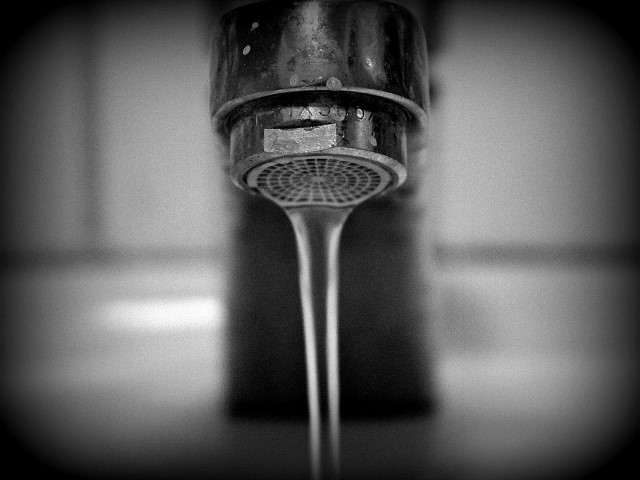
If you’ve ever noticed white, chalky residue on your faucets, showerheads, or around your sink, you’ve likely encountered calcium buildup—also known as limescale. While it might seem like a harmless cosmetic issue, calcium buildup can lead to long-term problems for your plumbing, appliances, and even your water heater.
Here’s what every homeowner should know about calcium buildup and how to deal with it effectively.
What Causes Calcium Buildup?
Calcium buildup is a direct result of hard water—water that contains high levels of dissolved minerals like calcium and magnesium. When this water flows through your pipes or dries on surfaces, it leaves behind deposits that harden over time.
Hard water is especially common in certain regions of the U.S., so if you’re constantly battling spots and scale, your water quality might be the reason.
Where You’ll See It
Calcium deposits can show up in several common places:
- Faucets and Showerheads: Reduced water flow and unsightly buildup around spouts.
- Toilets and Tubs: Rings and stains that are hard to scrub away.
- Dishwashers and Washing Machines: Reduced efficiency and premature wear.
- Water Heaters: Sediment buildup can reduce heating efficiency and shorten the unit’s lifespan.
- Glass Shower Doors: Foggy white streaks and water spots that resist cleaning.
Why It Matters
Calcium buildup isn’t just a visual nuisance. Over time, it can:
- Clog pipes and restrict water flow
- Decrease appliance efficiency, causing higher energy bills
- Cause premature wear on fixtures and plumbing
- Lead to expensive repairs if not addressed early
In short, tackling limescale isn’t just about appearance—it’s about protecting your home’s systems.
How to Remove Calcium Buildup
1. Vinegar and Baking Soda
A favorite DIY method: Soak affected areas in white vinegar or a mix of vinegar and baking soda to dissolve deposits. Let it sit, scrub gently, and rinse.
2. Commercial Cleaners
There are many limescale removers available, designed specifically for hard water stains. Just be sure to use them according to manufacturer directions and ventilate the area well.
3. Soaking Fixtures
For showerheads or faucet aerators, you can unscrew and soak them overnight in vinegar to restore flow and shine.
Long-Term Prevention Tips
1. Install a Water Softener
This is the most effective way to deal with hard water. A water softener filters out excess minerals before they reach your fixtures.
2. Regular Maintenance
Clean faucets and showerheads regularly to prevent buildup from hardening.
3. Flush Water Heater
If you have hard water, it’s smart to flush your water heater once or twice a year to clear out sediment.
4. Use a Rinse Aid in Dishwashers
This helps reduce mineral spots on dishes and glassware.
Final Thoughts
Calcium buildup may be common, but it doesn’t have to be a permanent problem. With the right maintenance routine—and possibly a water softening system—you can keep your home’s plumbing and fixtures looking great and working smoothly.
A little prevention goes a long way. And in a home that runs on water every day, protecting your plumbing from calcium buildup is a smart move that pays off in comfort and cost savings.